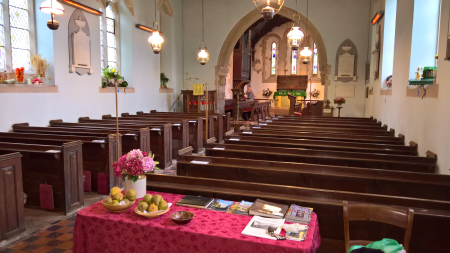
St Giles WV16 6UF parking, wheelchair access, WC at Down Inn PH nearby
Open daylight hours.
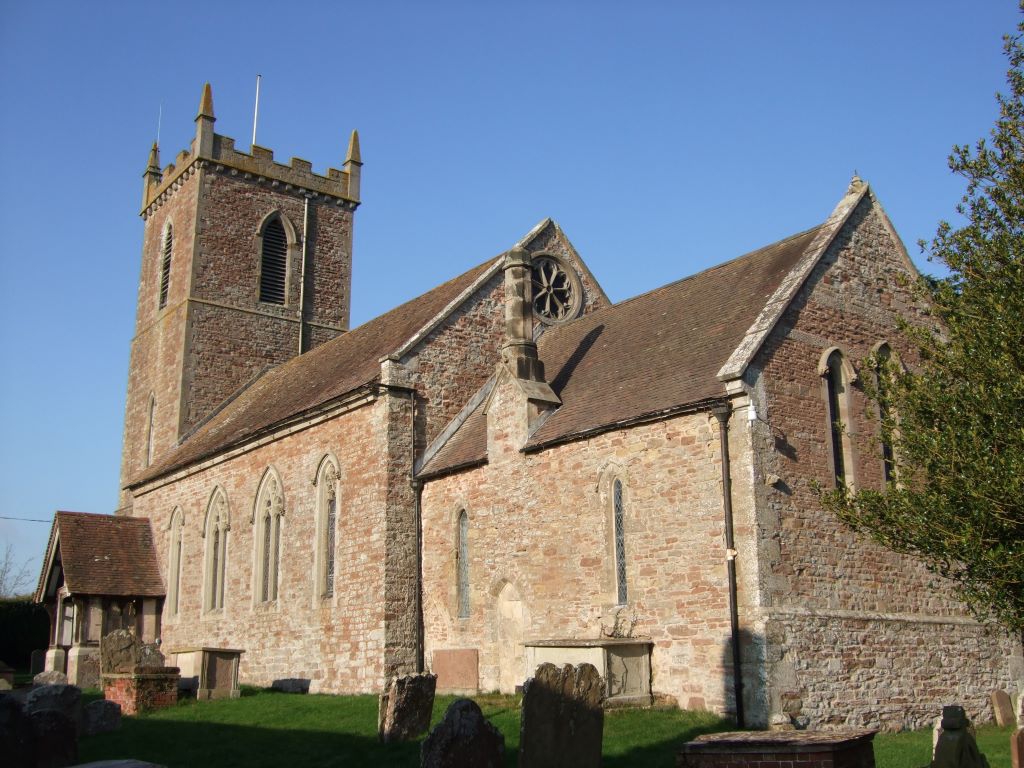
St Giles, Chetton, is a fascinating Grade II* listed church with deep historical roots,
HIstory
- Saxon Connections: The manor at Chetton was famously owned by Lady Godiva and her husband, Earl Leofric. A medieval preaching cross in the churchyard is traditionally associated with her.
- The Building: The core of the church is 13th-century, with the chancel and the south doorway remaining from this period.
- Key Rebuilds: The nave was rebuilt in 1788, and the current tower was added between 1828 and 1830 by the architect John Smalman, replacing an earlier structure.
Architectural Highlights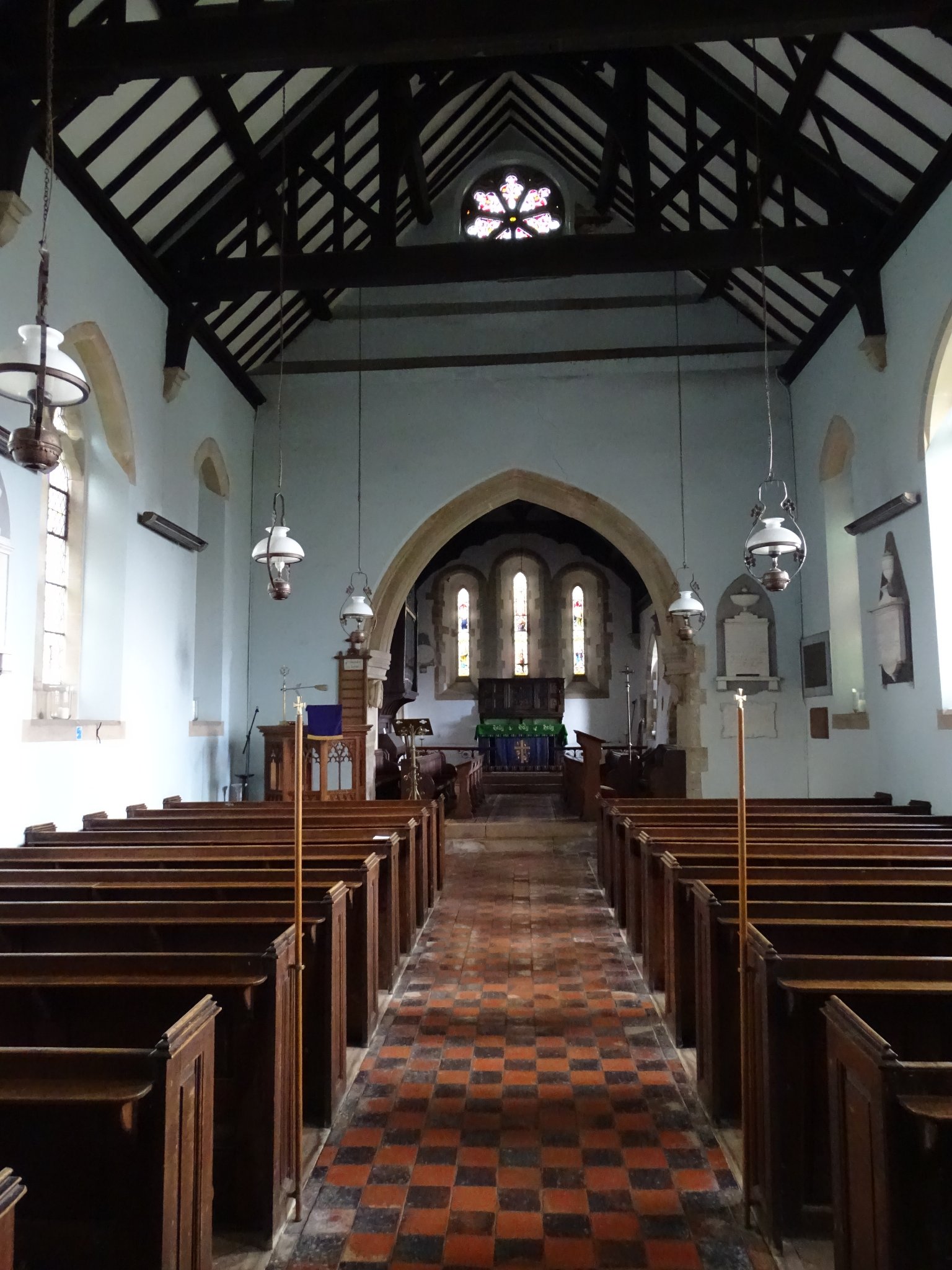
- The Chancel: This is the oldest part of the church (Early English style). Look for the "cheerful" medieval head corbels—two female masks on the north side and two male masks on the south.
- South Doorway: A notable 13th-century feature with a hood moulding ending in a mask.
- The Roof: The chancel features a 17th-century timber arched roof with collar beams, while the nave has an early 19th-century queen-post roof.
- Stained Glass: The East window (1891–92) by Lavers & Westlake depicts the Crucifixion with SS Peter, Paul, and John. There is also a window depicting "Ruth" in the chancel and the "Good Shepherd" in the nave.
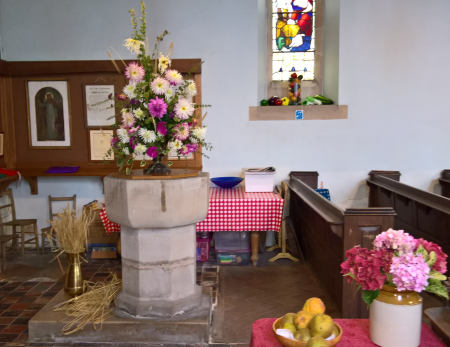
- The font. It is of medieval origin, likely dating back to the 13th or 14th century, which aligns with the oldest remaining fabric of the church (the chancel and south door) It is a simple, unadorned octagonal stone design.
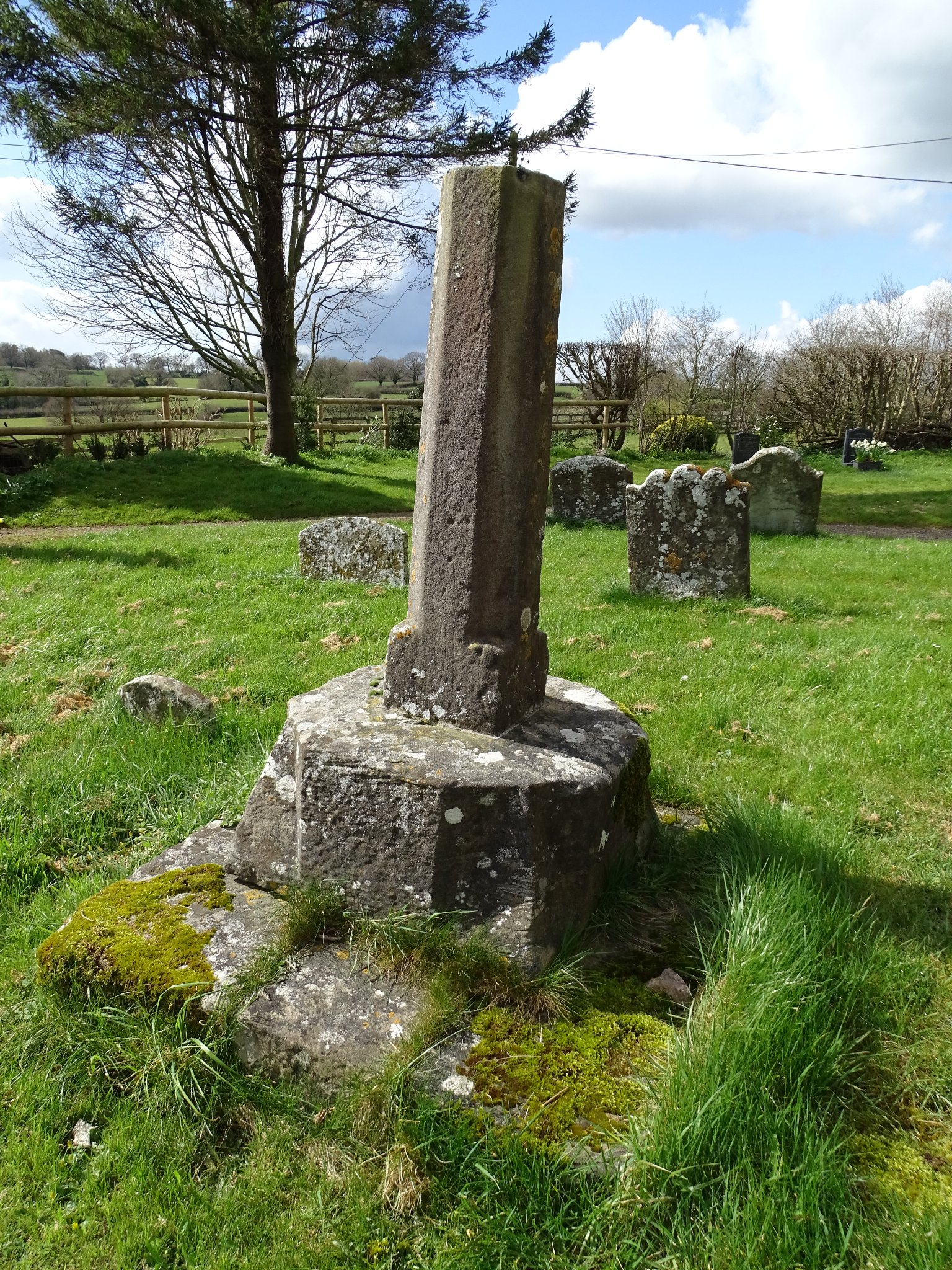
Churchyard & Bells
The Preaching Cross:
In the churchyard, south-east of the porch, stands the medieval Preaching Cross. It is steeped in local legend, said to have been established by Lady Godiva, who held the Saxon manor at Chetton. Though the cross-head is lost, the 13th-century sandstone shaft remains, topped with a later post-medieval sundial.
- The Seven Yews: Seven ancient yew trees stand around the edge of the churchyard, traditionally said to protect the building from gales from all angles.
- The Bells: The tower houses a ring of 6 bells. Five of them date back to 1827 and were cast by John Rudhall of Gloucester; the fourth bell was added in 1938 by Taylor’s of Loughborough.
- Plague Grave: There is a reputed mass grave in the churchyard, marking a historical outbreak of the plague in the village.
- Current Benefice: Part of the Brown Clee Group of Churches
To read more about the work of St Giles church and the church community, visit
A Church near You, Chetton Church https://www.achurchnearyou.com/church/10463/